Presidential Footsteps: Exploring St. Augustine’s Commander-in-Chief Connections

Photo courtesy of https://www.facebook.com/groups/HistoricFloridaX
Most cities can claim a president drove through once or gave a speech at the local fairgrounds. St. Augustine? This place has hosted commanders-in-chief who swam nude in the Atlantic, assembled their cabinets over rounds of golf, and stood on fort walls addressing crowds of thousands.
This President’s Day weekend, Florida is celebrating the holiday in style. For the first time, the state has made Presidents Day an official state holiday in honor of America’s 250th anniversary. Whether you’re a history enthusiast or just someone who appreciates a good “the president did what?” story, St. Augustine’s presidential connections offer the perfect excuse to dive into the past. Check the Old City events calendar for special Presidents Day programming throughout the weekend.
Theodore Roosevelt and the Legendary Nude Swim

Let’s start with the most entertaining presidential visit on record. In October 1905, Theodore Roosevelt rolled into St. Augustine for a 48-hour visit that locals still talk about more than a century later. The trip was organized by the St. Augustine Board of Trade, who desperately wanted publicity for the city. What they got was vintage Teddy Roosevelt: enthusiastic, unpredictable, and memorable.
Roosevelt stayed at Henry Flagler’s Hotel Ponce de Leon, which was opened earlier than usual to prepare for the presidential visit. When he arrived on Saturday, October 21, a crowd greeted him at the station, kicking off a weekend that would become St. Augustine legend.
The next morning, Roosevelt went for a swim at North Beach. But this wasn’t a casual dip. Roosevelt swam for nearly an hour in the chilly October water, and rumor has it that he swam in the nude. Try picturing that in today’s political climate.
After his morning aquatic adventure, Roosevelt spoke from the terreplein at Castillo de San Marcos. Thousands gathered to hear him speak, surrounding the fort and crowding the bay with boats. He gave a speech in his usual style, with strong oratory praising courage, strength, and morality. That evening, he attended a men-only “Marine Supper” at the Hotel Valencia on St. George Street. The following morning, he sang heartily along with hymns at Memorial Presbyterian Church, occupying Henry Flagler’s personal pew. When his train departed Sunday evening, nearly 2,000 people showed up to see him off.
Today, you can stand where Roosevelt stood at Castillo de San Marcos, now a National Park Service site, and imagine what it must have been like to hear that famously forceful voice echo across the water.
Warren G. Harding’s 19-Year Love Affair with St. Augustine
If Roosevelt’s visit was a whirlwind, Warren G. Harding’s relationship with St. Augustine was a long-term commitment. For 19 consecutive years, Harding made St. Augustine his winter retreat, including his time as President-elect in 1921.
The 1920-21 winter was particularly significant. After his election victory, Harding spent January 22 through February 27, 1921, in St. Augustine, staying at the Hotel Ponce de Leon and conducting transition work while on vacation. While most presidents-elect might spend their pre-inauguration time in Washington, Harding chose to assemble his cabinet while playing golf and fishing in Florida.
On February 19, Charles Evans Hughes visited Harding in St. Augustine and was presented at a press conference as Harding’s choice for Secretary of State. Cabinet selections happened between rounds of golf. Policy decisions were made over fishing trips. It was government by leisure.
Harding loved golf with the passion of someone who wasn’t particularly good at it but enjoyed it anyway. The Hotel Ponce de Leon became his home away from home. Now Flagler College, the building still stands at 74 King Street as a reminder of when presidents chose St. Augustine as the ideal place to mix business with pleasure.
George Washington’s Strategic Interest
 George Washington never physically set foot in St. Augustine, but his attention was very much focused here. During the Revolutionary War, St. Augustine was a British stronghold, and Washington understood its strategic importance. Letters from 1775 show Washington monitoring the city as a military concern.
Today, visitors can explore that same fort at Castillo de San Marcos and appreciate what Washington saw from hundreds of miles away: a position that commanded the sea approaches and controlled access to the interior.
Lyndon B. Johnson Celebrates 400 Years
Fast forward to 1963, and St. Augustine was celebrating its 400th birthday. Vice President Lyndon B. Johnson arrived on March 11, 1963, to help mark the occasion. He spoke from the balcony of the Arrivas House, helping to dedicate it as a historical site, and joined in the city’s quadricentennial celebrations.
It was a moment of pride for St. Augustine, having the Vice President acknowledge its incredible age and historical significance. Just months later, Johnson would become president following Kennedy’s assassination, but in March 1963, he was simply helping America’s oldest city celebrate a milestone that few places in the United States could claim.
The Arrivas House still stands as a testament to that moment when the federal government recognized St. Augustine’s unique place in American history. Johnson’s visit connected the old and the new, linking centuries of history with the modern American story.
Abraham Lincoln’s Distant Impact
Abraham Lincoln never visited St. Augustine, but his Emancipation Proclamation reached the city in 1863, liberating enslaved people and fundamentally changing the social fabric of the community. Lincoln’s words traveled further than any train could carry him, touching lives in every corner of the nation, including the ancient streets of St. Augustine. Learn more about this era at the historic sites throughout Old City.
The Hotel Ponce de Leon: Presidential Playground
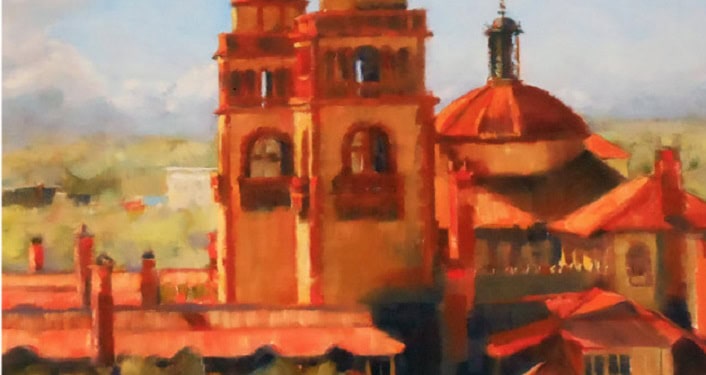
 If one building could claim to be the center of St. Augustine’s presidential story, it’s the Hotel Ponce de Leon. Built by Henry Flagler in 1888, this Spanish Renaissance masterpiece became the winter palace for America’s elite.
The hotel hosted Presidents Grover Cleveland, William McKinley, Theodore Roosevelt, Warren G. Harding, and Vice President Lyndon B. Johnson, along with luminaries like Mark Twain, Babe Ruth, and Ernest Hemingway. Cleveland visited repeatedly throughout the 1890s and early 1900s. A young Franklin D. Roosevelt stayed there as a college student on spring break. Even John F. Kennedy visited at age 13 with his family.
The hotel was revolutionary for its time. It was the first major poured concrete building in the United States and one of the first buildings wired for electricity from the start. Thomas Edison himself installed DC generators for his friend Flagler, though the bulbs had an unfortunate tendency to explode, terrifying guests.
During World War II, the federal government took over the hotel and used it as a Coast Guard Training Center. From 1942 until 1945, thousands of young recruits received training there. St. Augustine is considered the birthplace of the Coast Guard Reserve.
Today, the building serves as Flagler College, and visitors can take tours to see the dining hall where presidents once dined, the rotunda where they were welcomed, and the grounds where they strolled.
Where to Experience Presidential History
Ready to explore St. Augustine’s presidential connections this Presidents Day weekend? Here’s where to start.
Castillo de San Marcos National Monument: Walk the terreplein where Roosevelt addressed thousands. This 17th-century Spanish stone fortress offers stunning views of Matanzas Bay and a tangible connection to the military importance Washington recognized centuries ago. The fort is open daily, and rangers offer programs that bring the history to life.
Flagler College: Take a tour of the former Hotel Ponce de Leon and stand in spaces where presidents stayed, dined, and made history. The architecture alone is worth the visit, but knowing that Harding assembled his cabinet here and Roosevelt sang hymns in the nearby church adds depth to every room. Tours are available to the public, and the college’s website has current schedule information.
The Historic Downtown: Simply walking the streets of the Oldest City puts you in the footsteps of presidents. St. George Street, where Roosevelt attended that Marine Supper. Cathedral Place, near churches where presidents worshiped. The bayfront, where they watched boats and enjoyed the sea breeze. It’s all still here, largely unchanged since they walked these same paths.
The Oldest Wooden Schoolhouse and Historic Sites: St. Augustine’s collection of historic buildings and museums helps tell the broader story of the city’s evolution, including the impact of presidential decisions like the Emancipation Proclamation. The St. Augustine Historical Society offers resources and exhibits that provide context for these presidential visits.
Making Your Presidents Day Visit Special
 This year’s Presidents Day is particularly significant. In honor of America’s 250th anniversary, Florida has designated Presidents Day 2026 as an official state holiday, giving residents and visitors an extra day to explore their history.
February weather in St. Augustine is ideal for exploring, with temperatures typically in the 60s and 70s. The Castillo and downtown attractions are within easy walking distance of each other. Consider timing your visit to catch a ranger program at Castillo de San Marcos, which are free with admission.
For lunch, head to the Columbia Restaurant on St. George Street for Spanish and Cuban cuisine, or grab something casual from one of the many cafes and eat it on a bench overlooking Matanzas Bay. Explore more dining options in Old City to find the perfect spot for your visit. If you’re staying overnight, hotels like Casa Monica Resort & Spa and the St. Francis Inn offer historic accommodations with modern amenities.
The American Story in Miniature
What makes St. Augustine’s presidential connections so compelling isn’t just the famous names. It’s what these visits reveal about how presidents are human, how history is made in unexpected places, and how a city can serve as a mirror to the nation’s evolving story.
Roosevelt’s nude swim reminds us that presidents do delightfully human things. Harding’s golf-and-governance approach shows how leadership can happen anywhere. Washington’s distant but strategic interest demonstrates that influence doesn’t require physical presence. Johnson’s ceremonial visit honors the deep history that predates the United States itself.
St. Augustine has been part of the American story since before there was an America. It’s seen Spanish governors and British commanders, Confederate soldiers and Union occupiers, and yes, presidents of the United States. Each visitor has added another layer to a place that keeps growing richer without losing sight of its past.
This Presidents Day, as Florida joins the nation in honoring George Washington and all who have followed, St. Augustine stands as a reminder that presidential history isn’t confined to Washington, D.C. It’s here, in the oldest city, in the stories that locals tell, in the buildings that still stand, and in the fort walls that have witnessed more history than most places ever will.
Come walk where presidents walked. Stand where they stood. See what they saw.
Disclaimer: Every effort is made to ensure the accuracy of the information in this article. Please credit OldCity.com when sharing and re-posting.
The post Presidential Footsteps: Exploring St. Augustine’s Commander-in-Chief Connections appeared first on St. Augustine, FL | Oldcity.com.
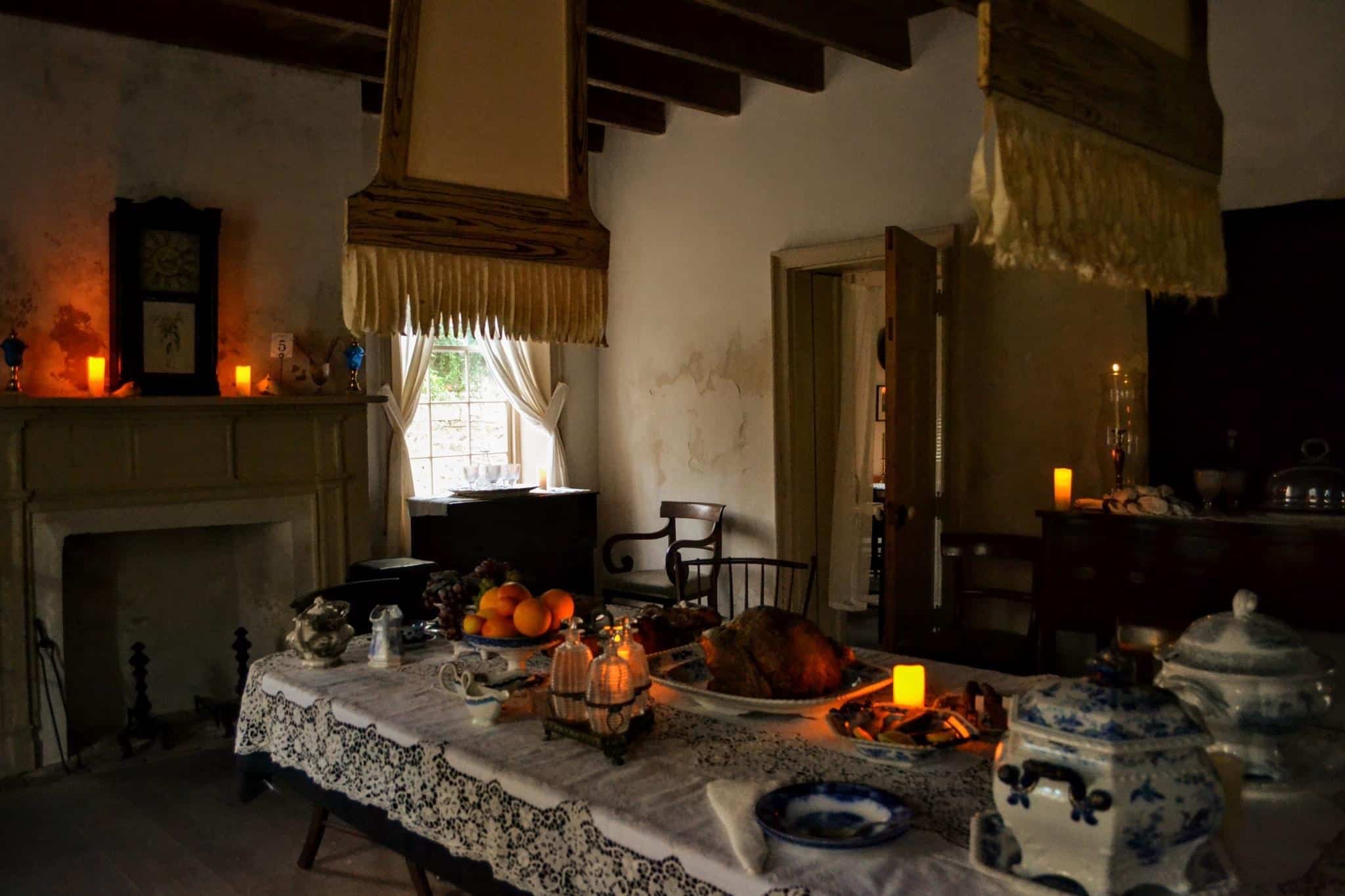
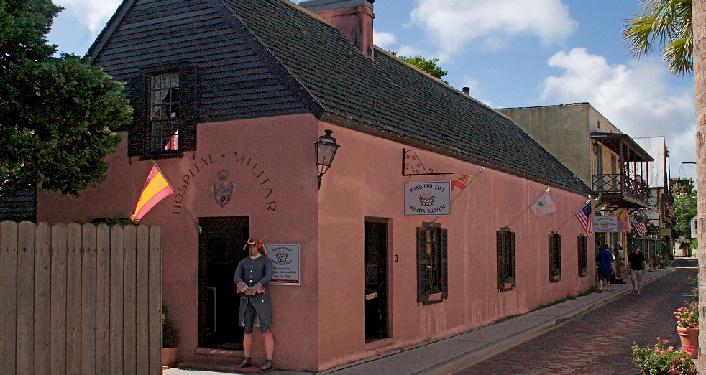
 Walk down St. George Street on a humid August afternoon and you will feel it. The air cools as you pass beneath a second-story balcony. Your hand brushes against a coquina wall, rough with compressed shells, still holding the morning’s coolness despite the blazing sun. Wooden shutters filter light through barred windows, casting patterned shadows across worn stone floors. Even without knowing the history, your body understands that these buildings were designed to respond to their environment.
 Spanish builders paired coquina with architectural principles refined over centuries in Spain, North Africa, and the Caribbean. Thick walls, often two to four feet deep, absorbed heat slowly, keeping interiors cooler during the day and warmer at night. These walls also provided sound insulation and structural strength against storms.
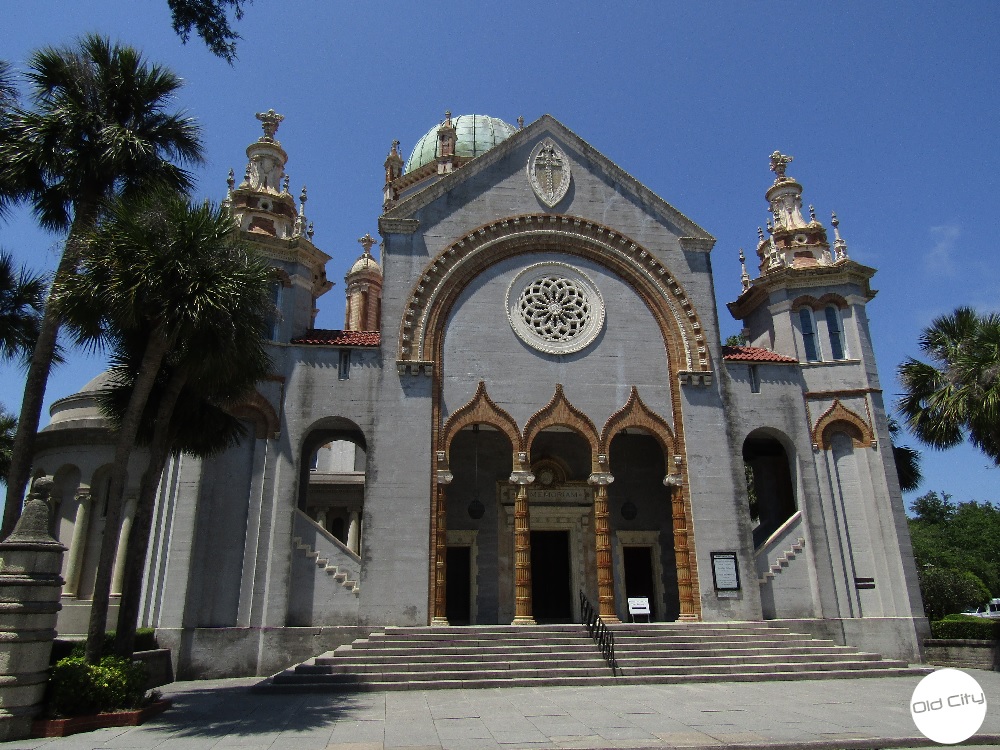 Religion was central to Spanish colonial life, and churches reflected that importance. The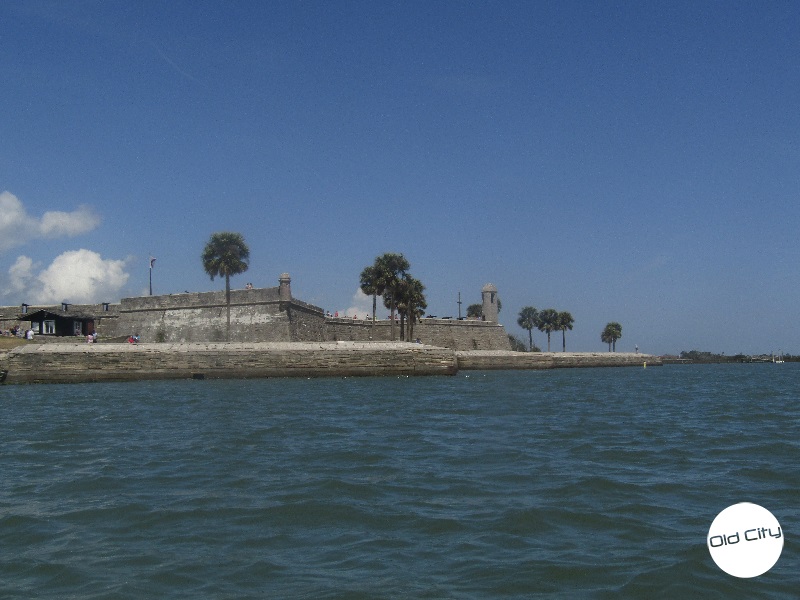
 Spanish colonial architecture in St. Augustine tells a story of resilience, adaptation, and cultural blending. Built from shell stone and necessity, these structures reflect centuries of lived experience rather than imposed design.